Background
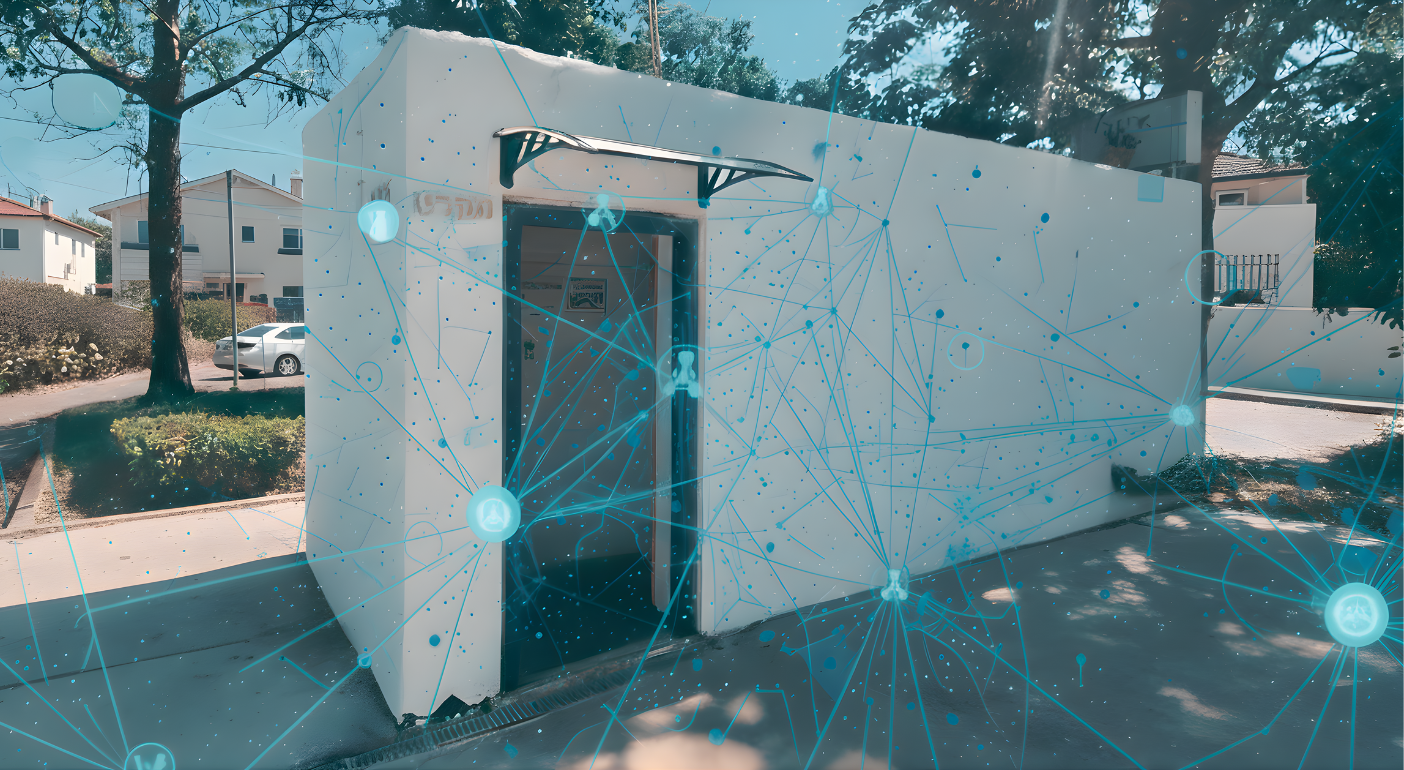
In the city’s older neighborhoods, most residential buildings do not include private shelters within each apartment, as is common in newer construction. Instead, residents rely on public shelters. During periods of heightened security and war, such as those experienced over the past two years, residents must reach these public shelters as quickly as possible when sirens sound.
Keeping public shelters permanently open creates serious challenges. Open shelters are vulnerable to vandalism, misuse, and damage, which compromises their readiness for emergencies. This issue is especially acute because many public shelters also function as community spaces, hosting children’s programs, clubs, and after-school activities on a regular basis. Leaving these facilities unlocked exposes equipment and infrastructure to damage and poses safety concerns.
At the same time, locking shelters and relying on manual opening during emergencies is not a viable solution. In real-time alert situations, there is no practical way to unlock dozens of shelters individually, and any delay in access can put lives at risk.
The experience of the past two years has clearly demonstrated how critical immediate and reliable access to shelters is, making automated solutions an essential component of civilian protection and emergency preparedness.
Project Description
Installation of the LORA automated shelter system, integrated with Home Front Command and the municipal control center.
The LoRa system enables shelters to remain securely closed during routine times, while ensuring they are opened automatically within seconds in the event of an alert. The system provides a reliable, centralized, and fail-safe mechanism for managing shelter access citywide, even during power outages or communication disruptions.
Key features:
- Automatic opening during alerts
- Remote opening in non-emergencies
- Cellular backup
- Battery backup for 3 days
- Fail-safe: doors open if power is fully lost
System Components & Costs